
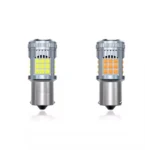
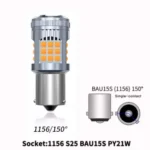
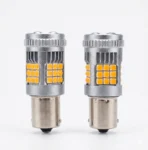
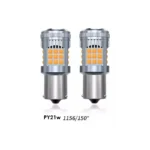
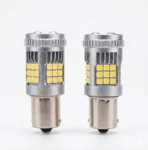
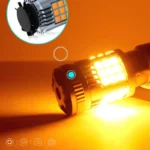
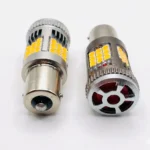
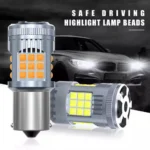
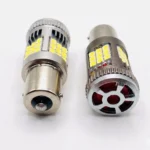
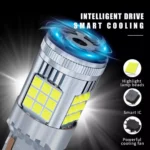
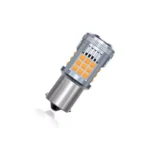
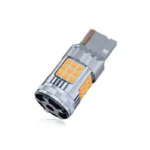
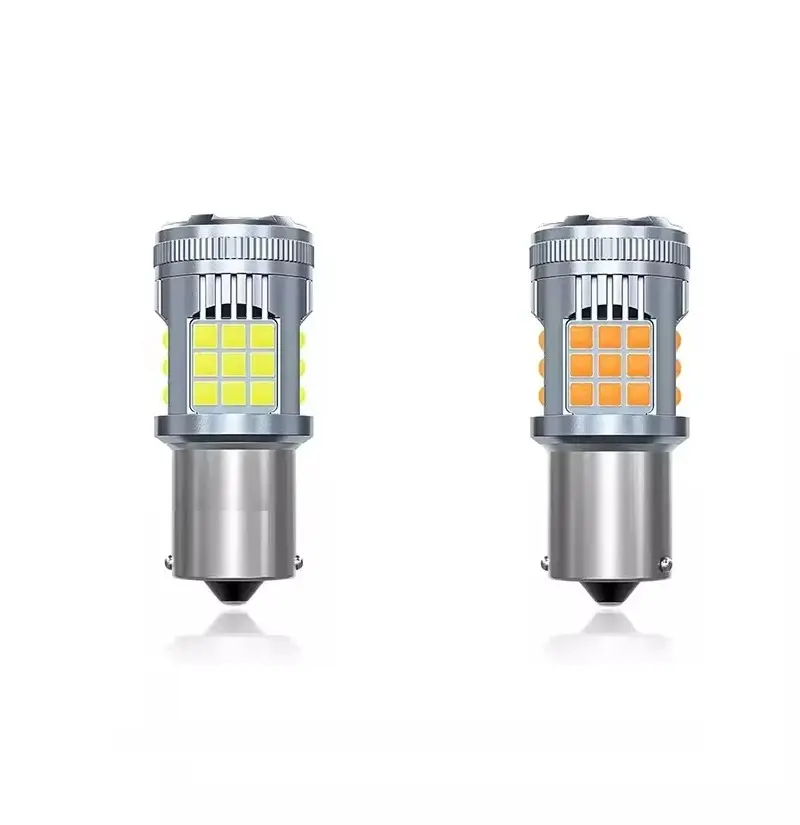
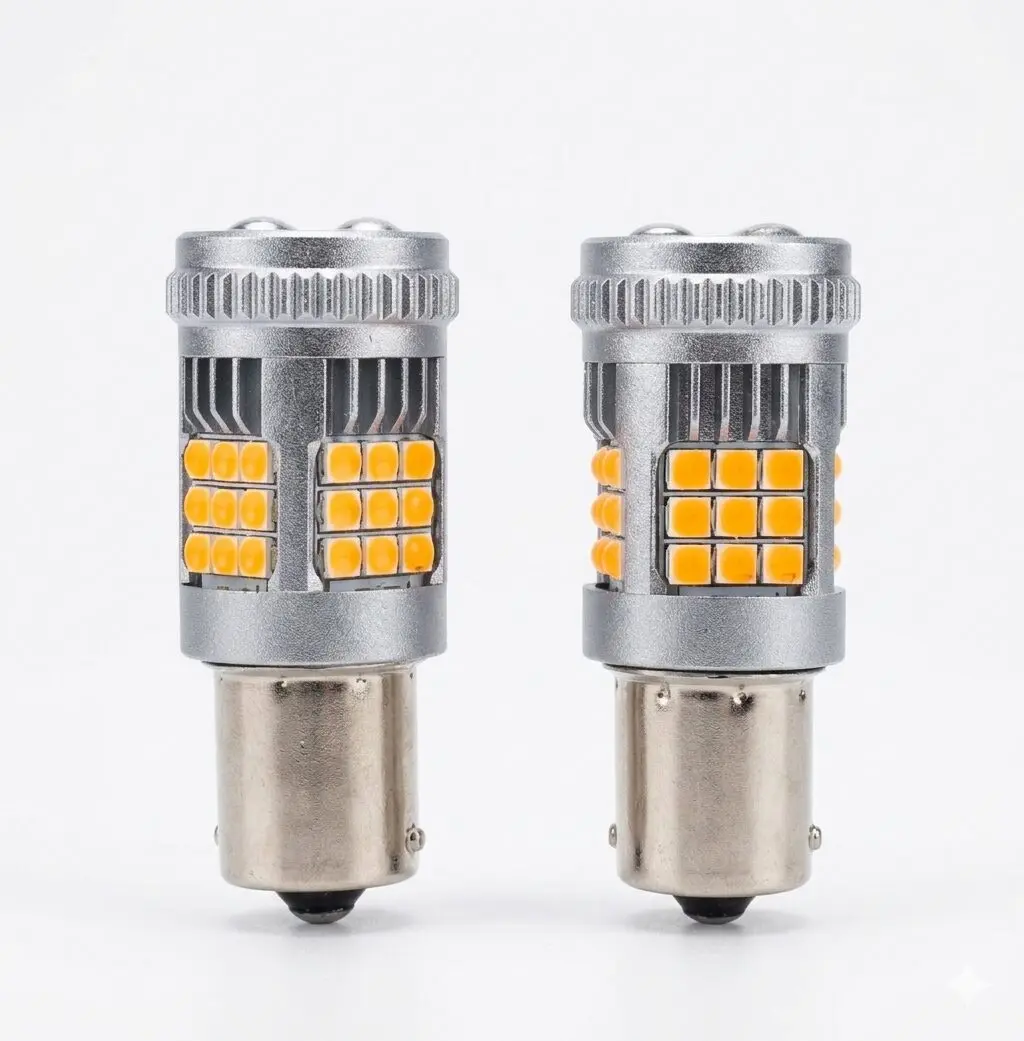
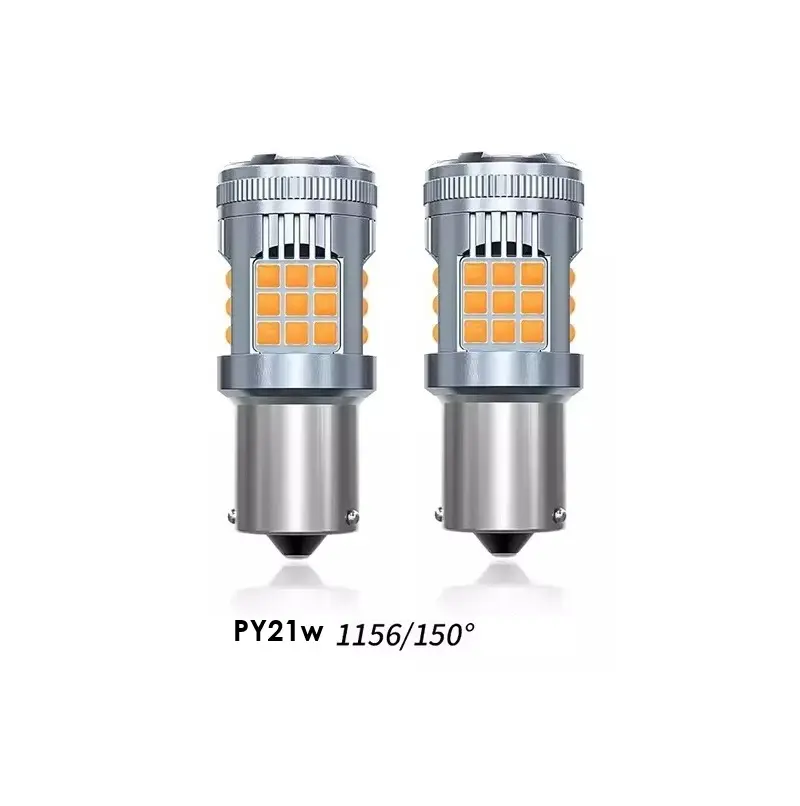
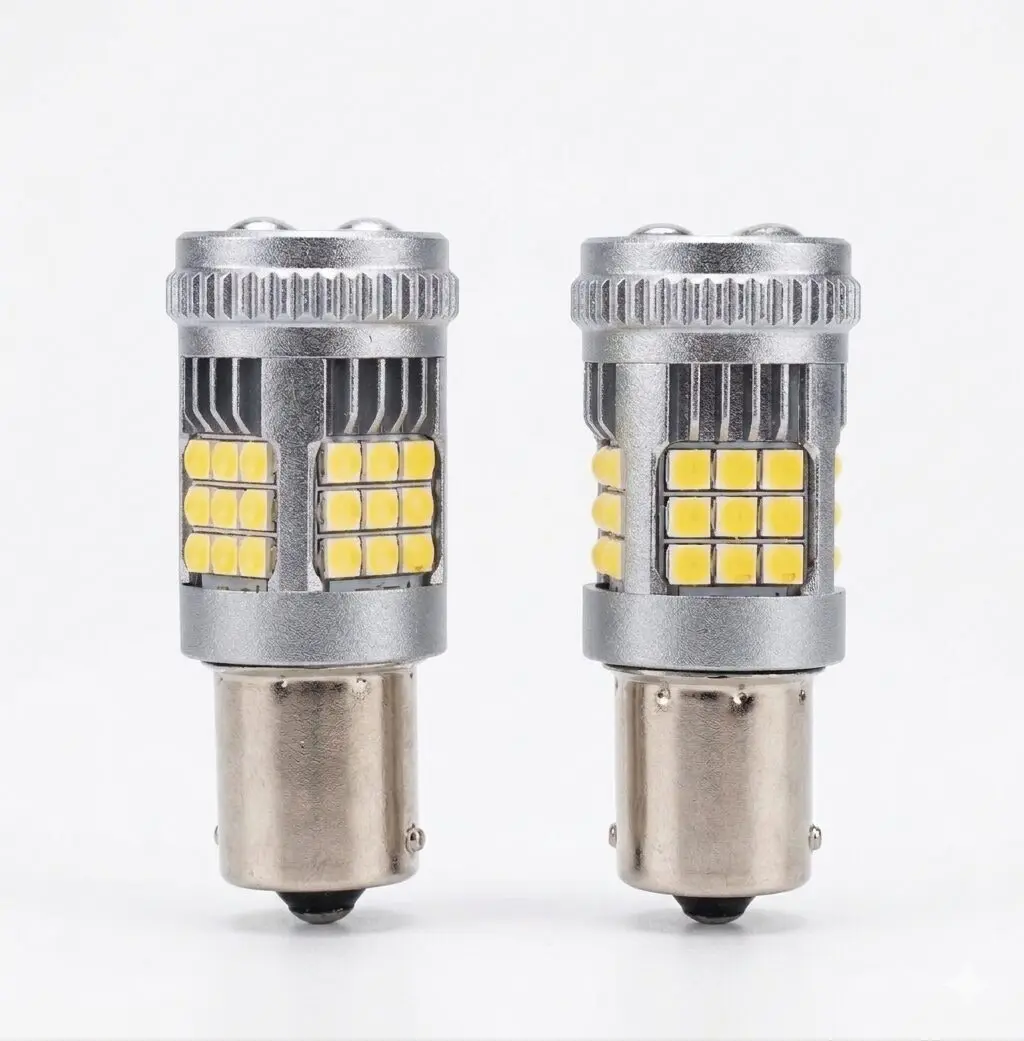
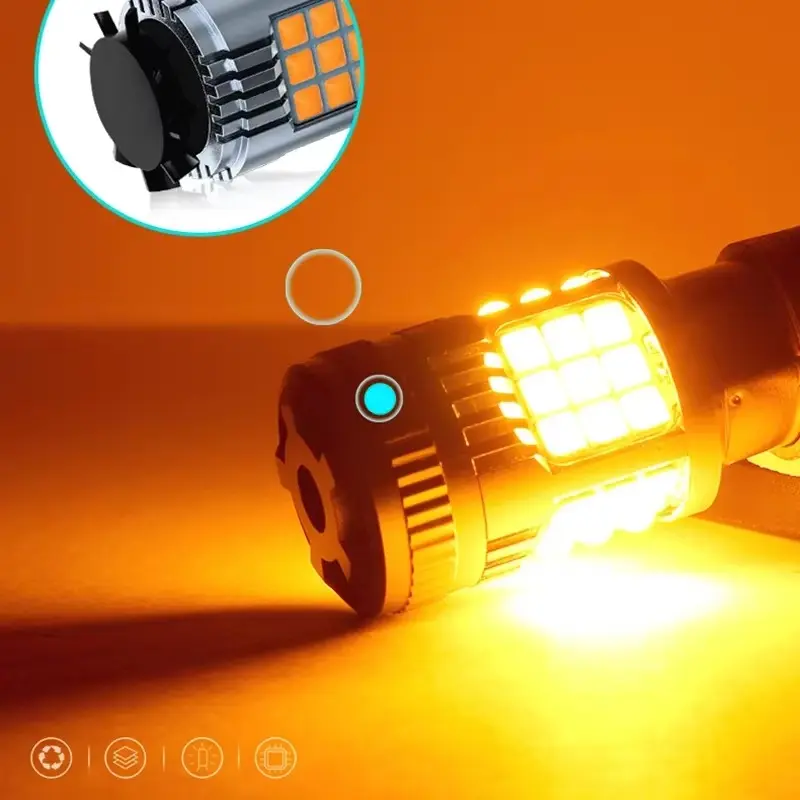
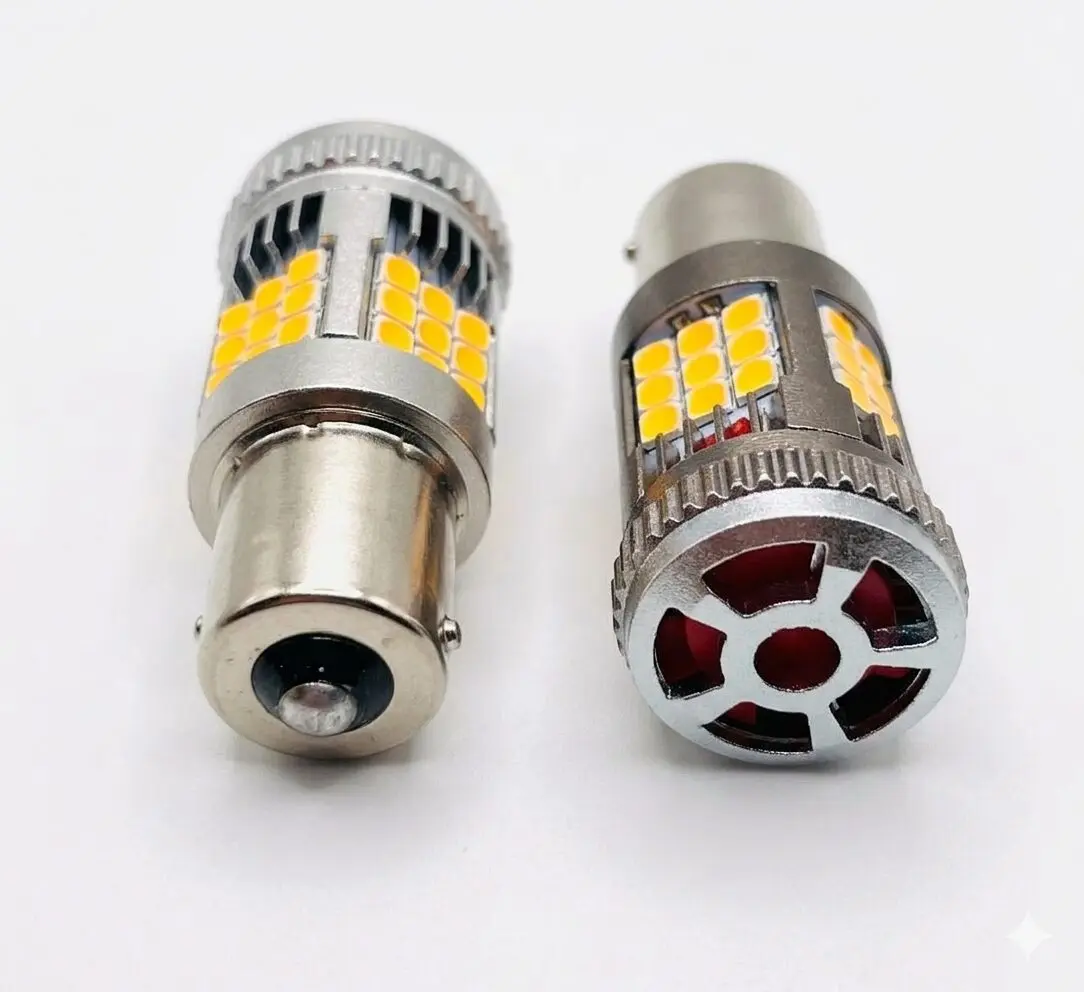
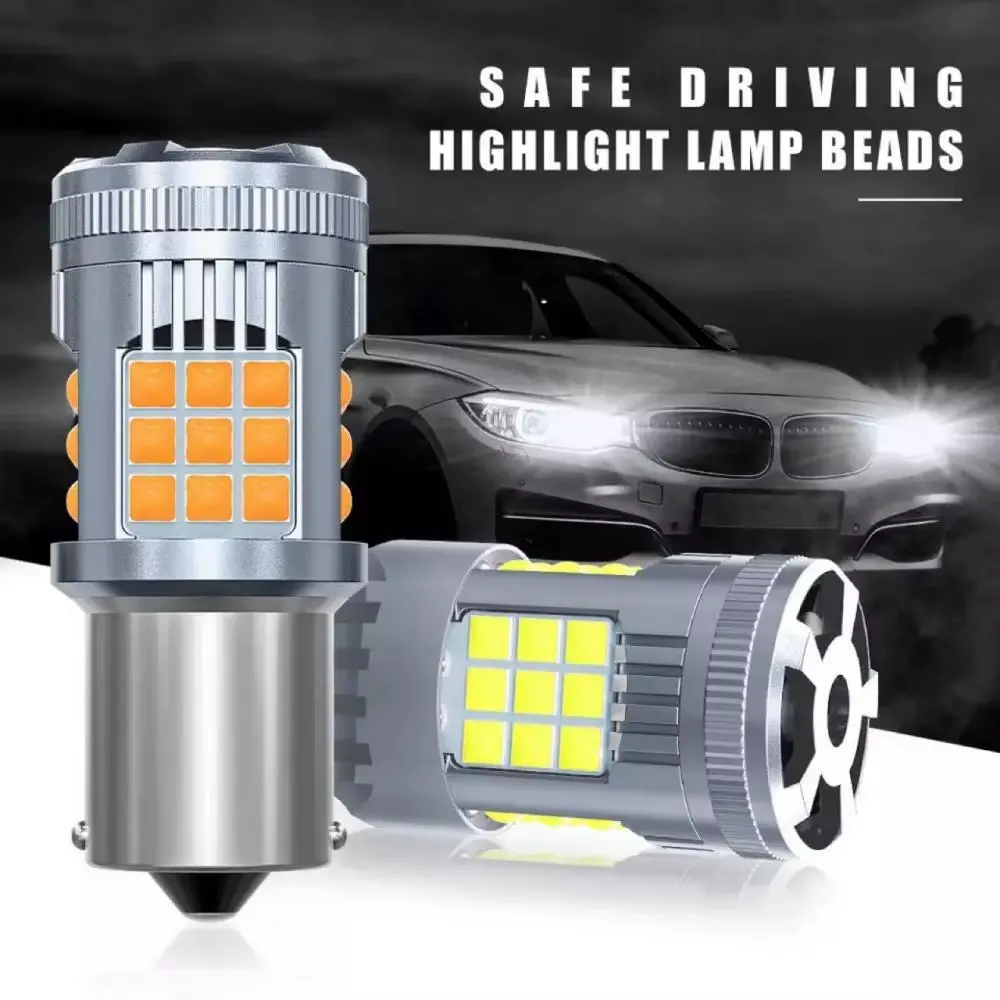
Fan Cooled LED Bulb from TecUpdater, with Same/Next day Free BlueDart shipping and a 6-month warranty.
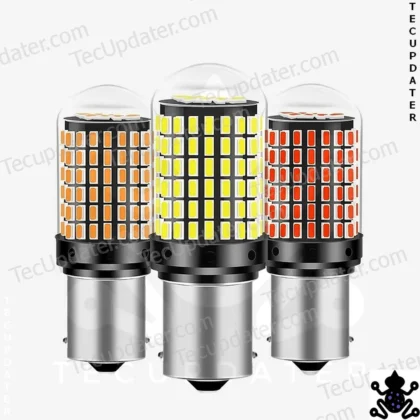
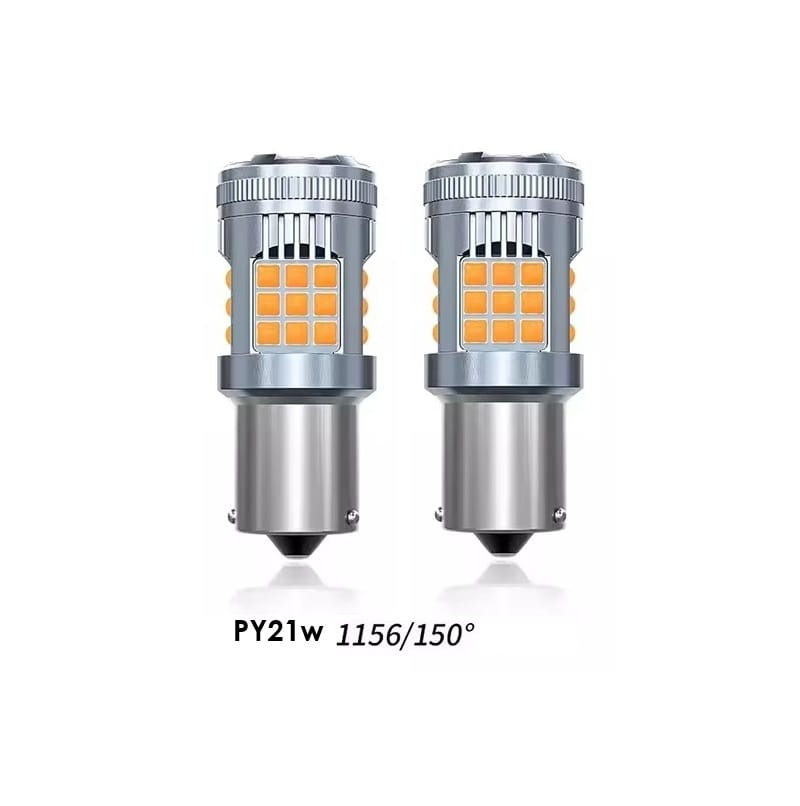
Fan-Cooled LED Bulb PY21W/P21W — 36-SMD fan-cooled CANBUS LED bulb, amber PY21W & white P21W, no hyperflash, sold as a pair. It is CANBUS-ready and ships pan-India.
Fan Cooled LED Bulb: Fan-cooled LED Bulb PY21W/P21W — Overview
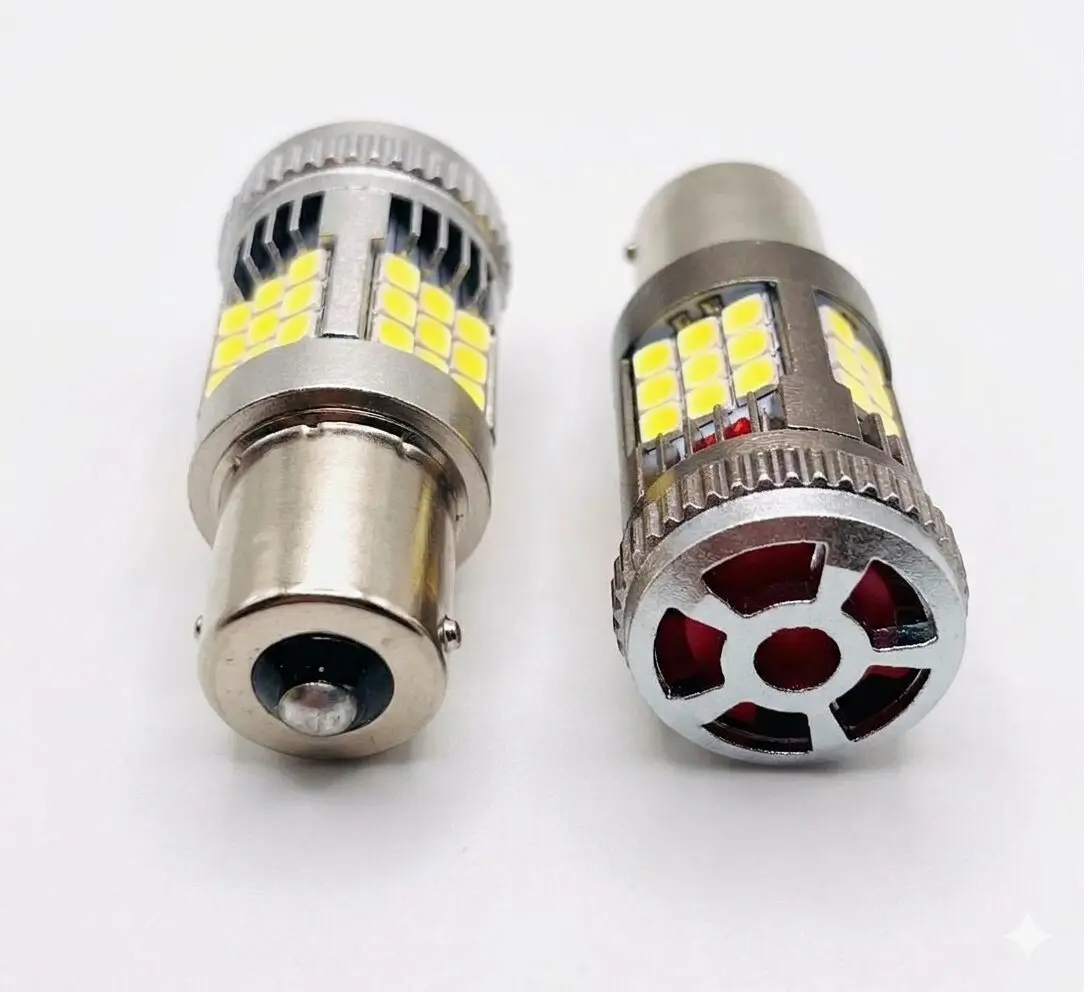
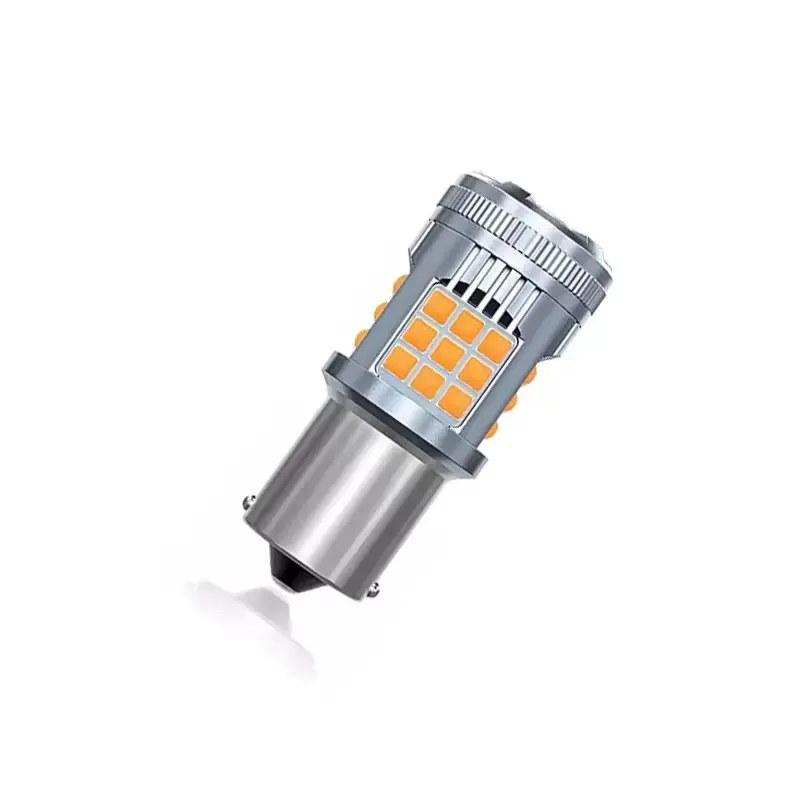
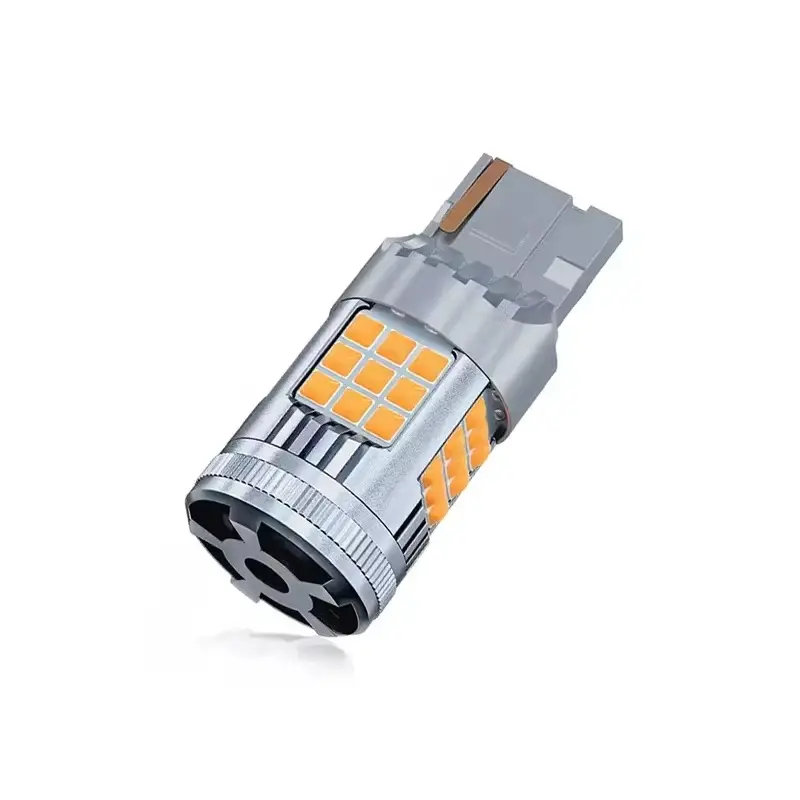
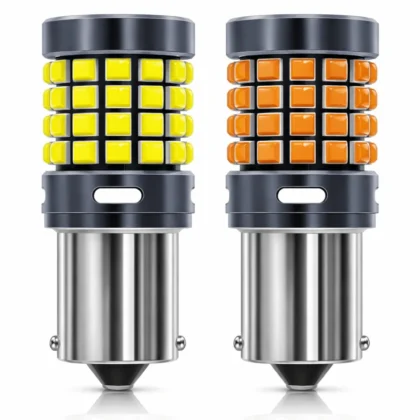
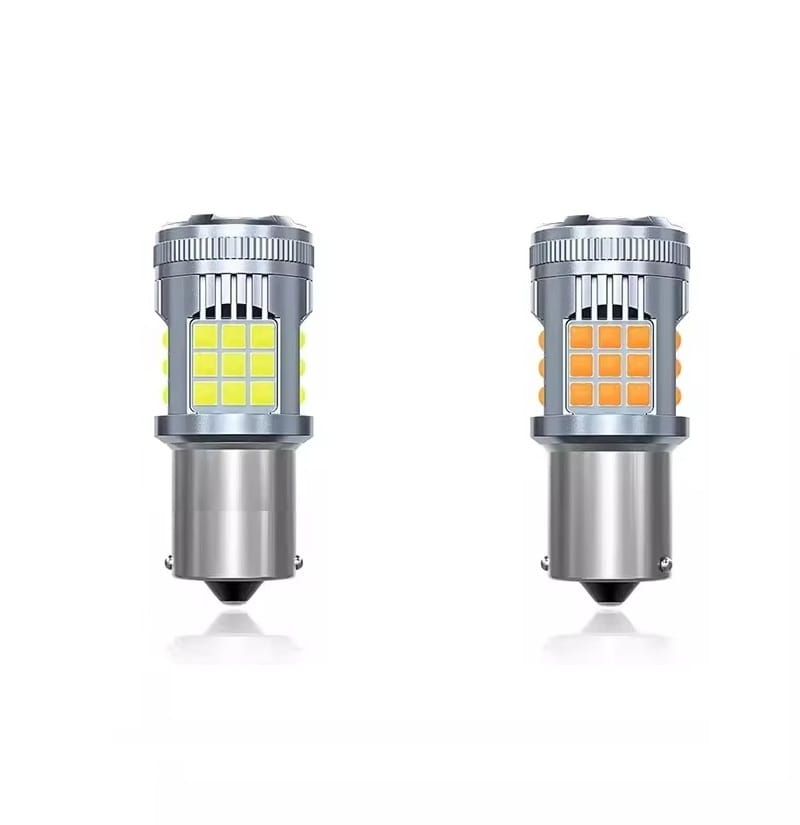
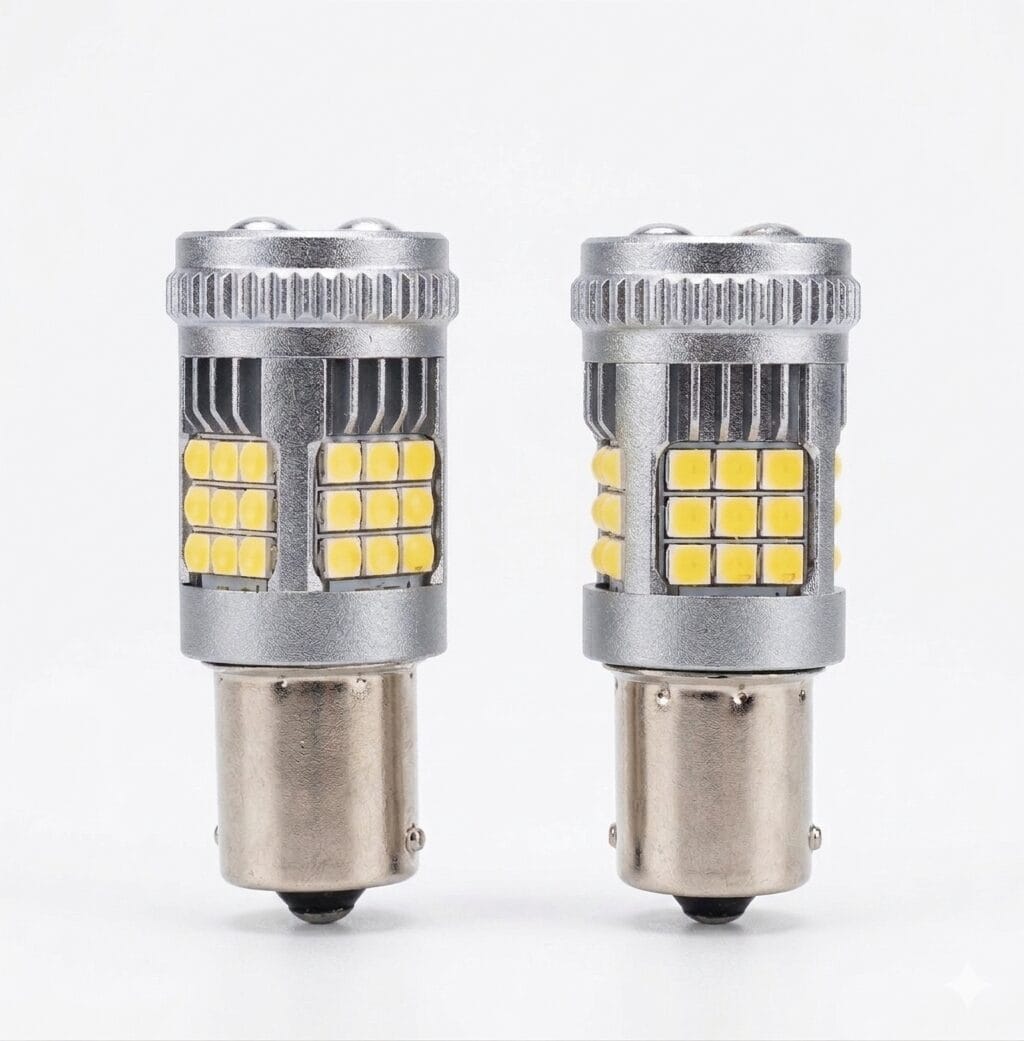
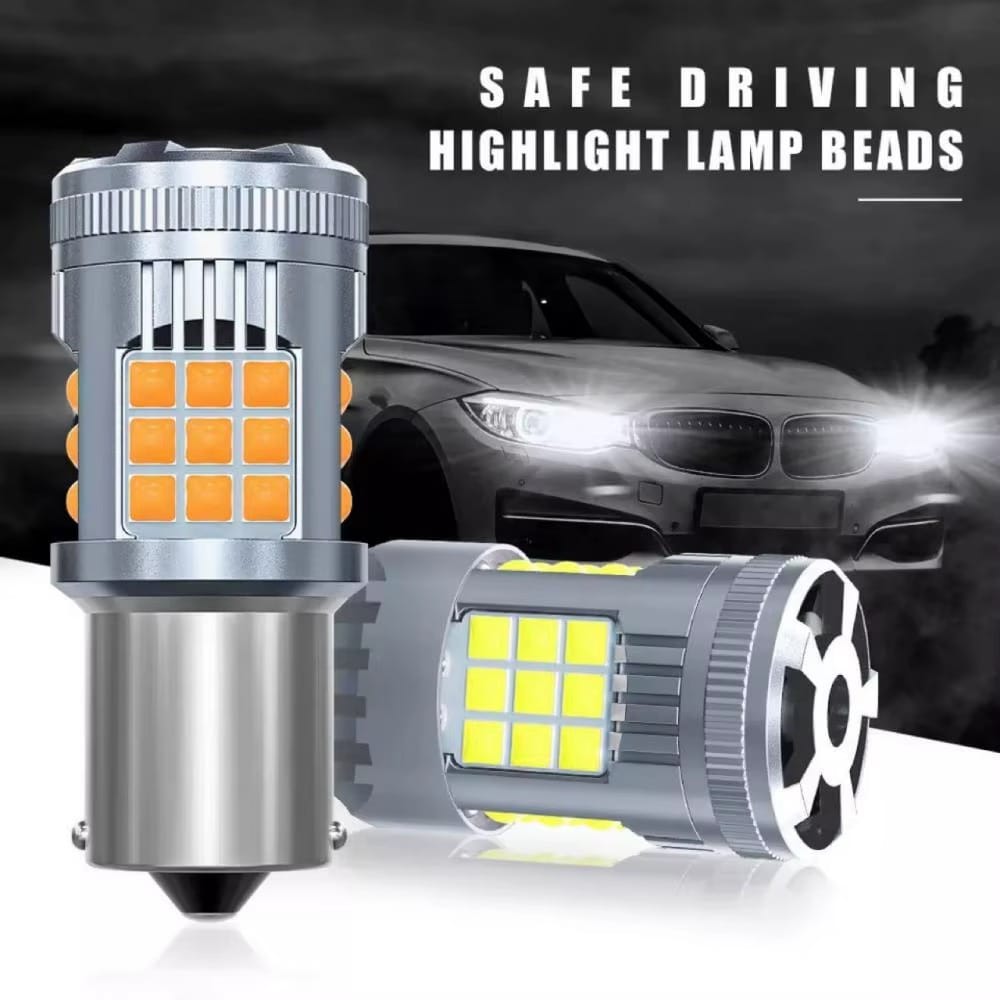
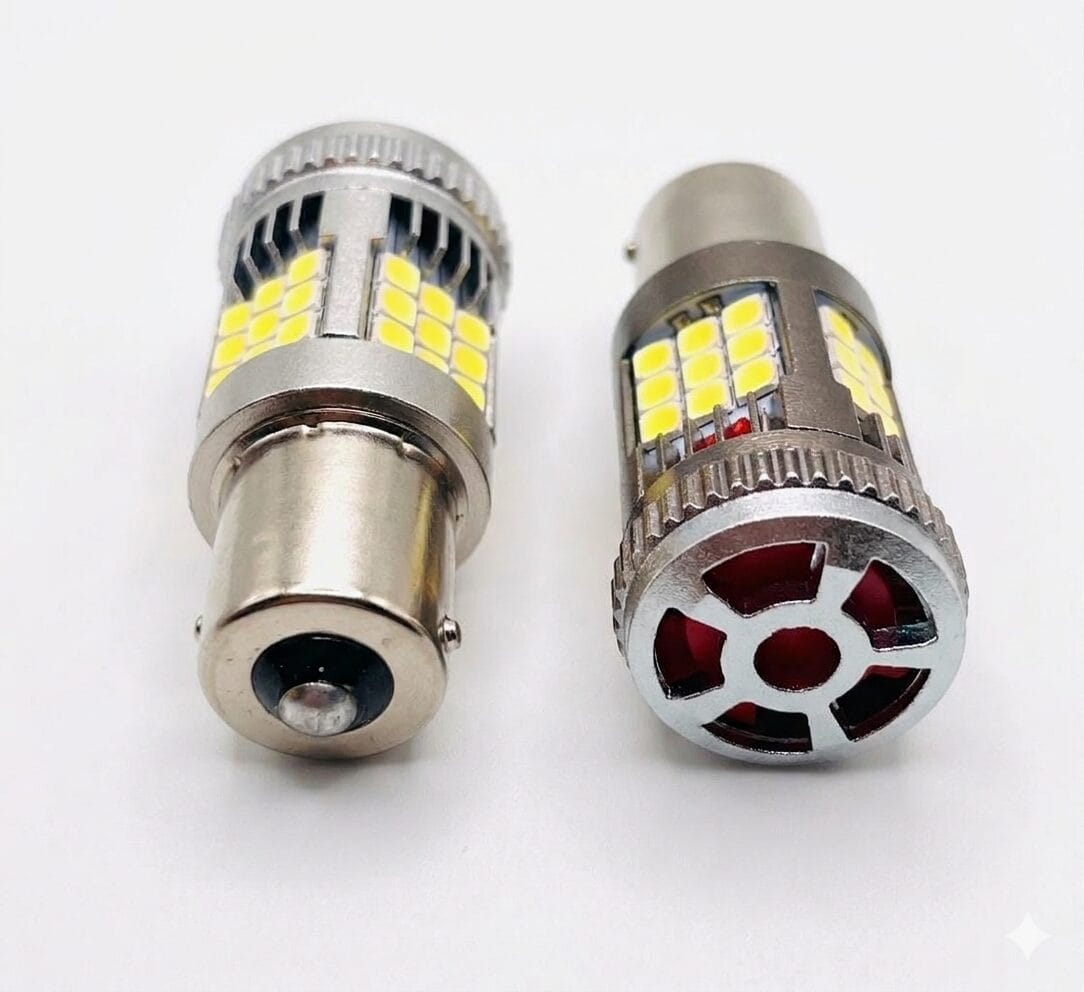
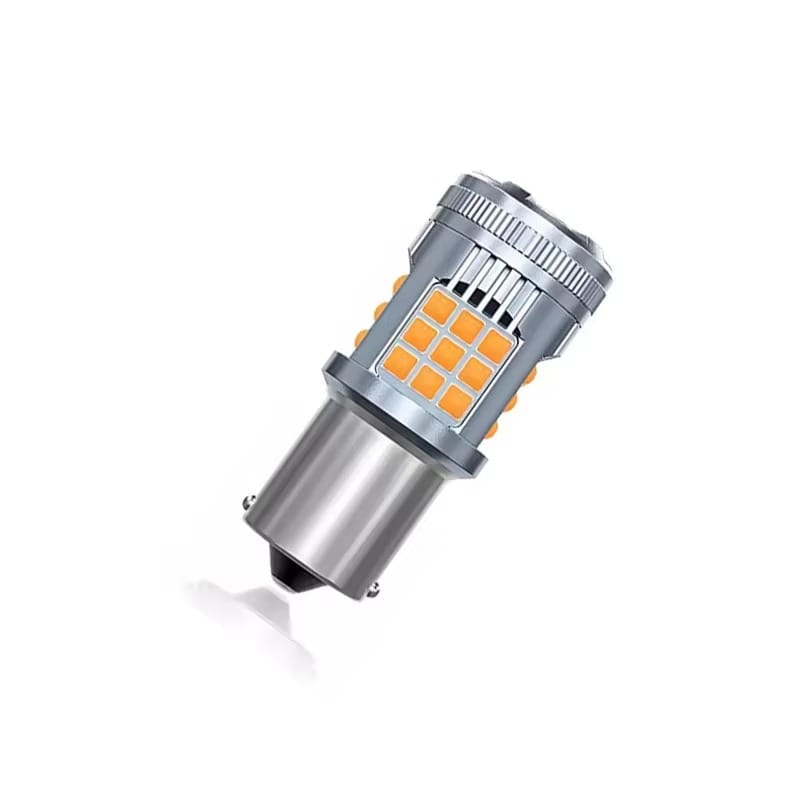
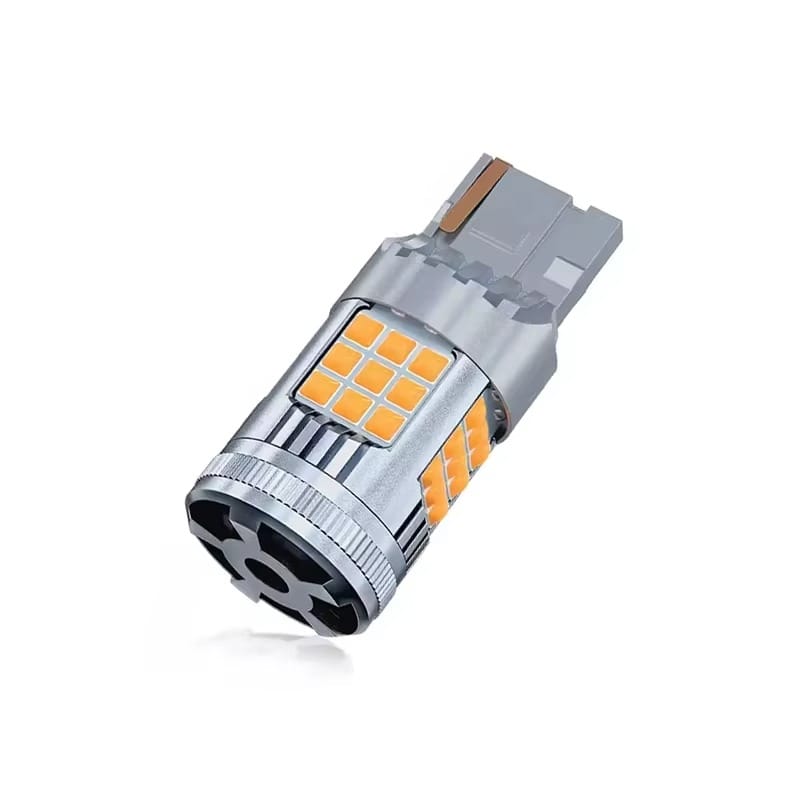
Built around a 3030-chip 36-SMD array with an inbuilt cooling fan, this fan-cooled LED bulb PY21W/P21W covers turn indicators, reverse lights, and DRLs. Sold as an amber PY21W and white P21W pair, the fan-cooled LED bulb PY21W/P21W is CANBUS-ready with no hyperflash and needs no coding.
3030 Chip 36SMD Fan-Cooled LED Signal Bulb – PY21W Amber and P21W White, Canbus Error Free
| Brand | TecUpdater |
| LED Chip | 3030 SMD, 36 chips per bulb |
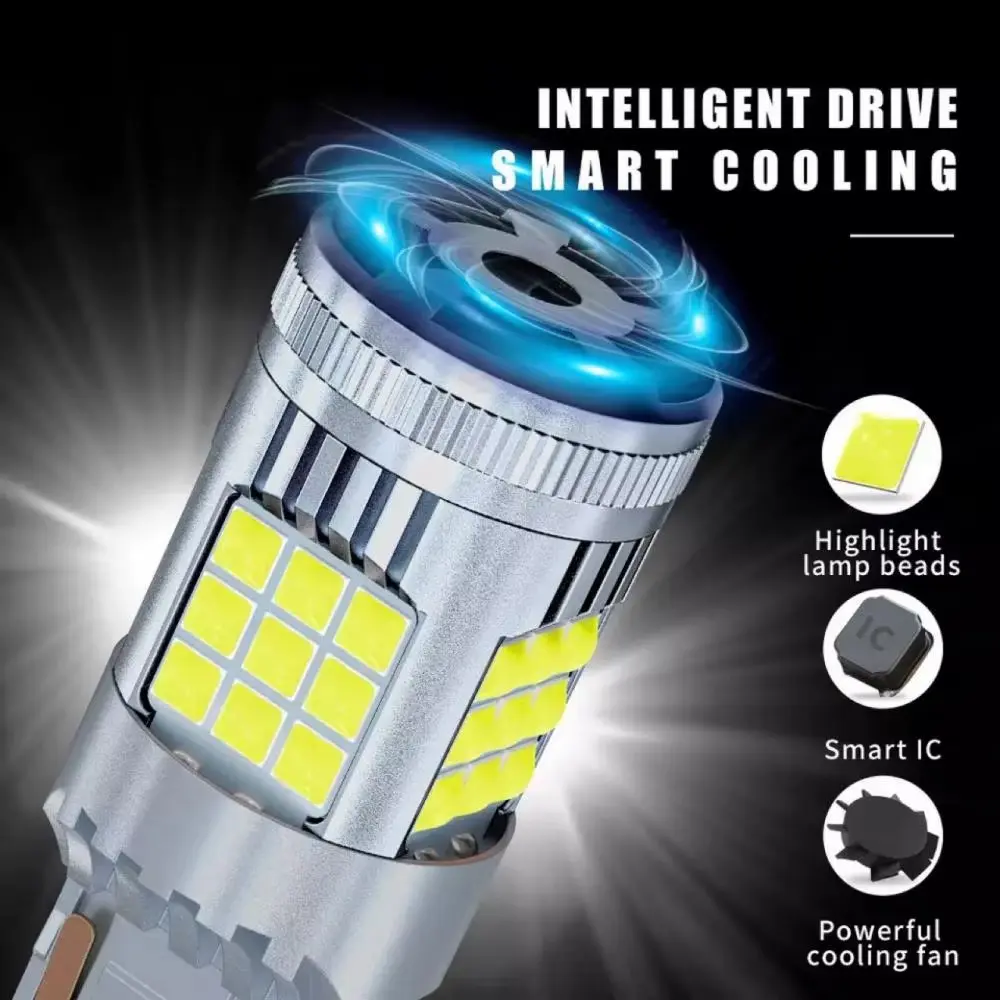
| Cooling | Inbuilt active cooling fan |
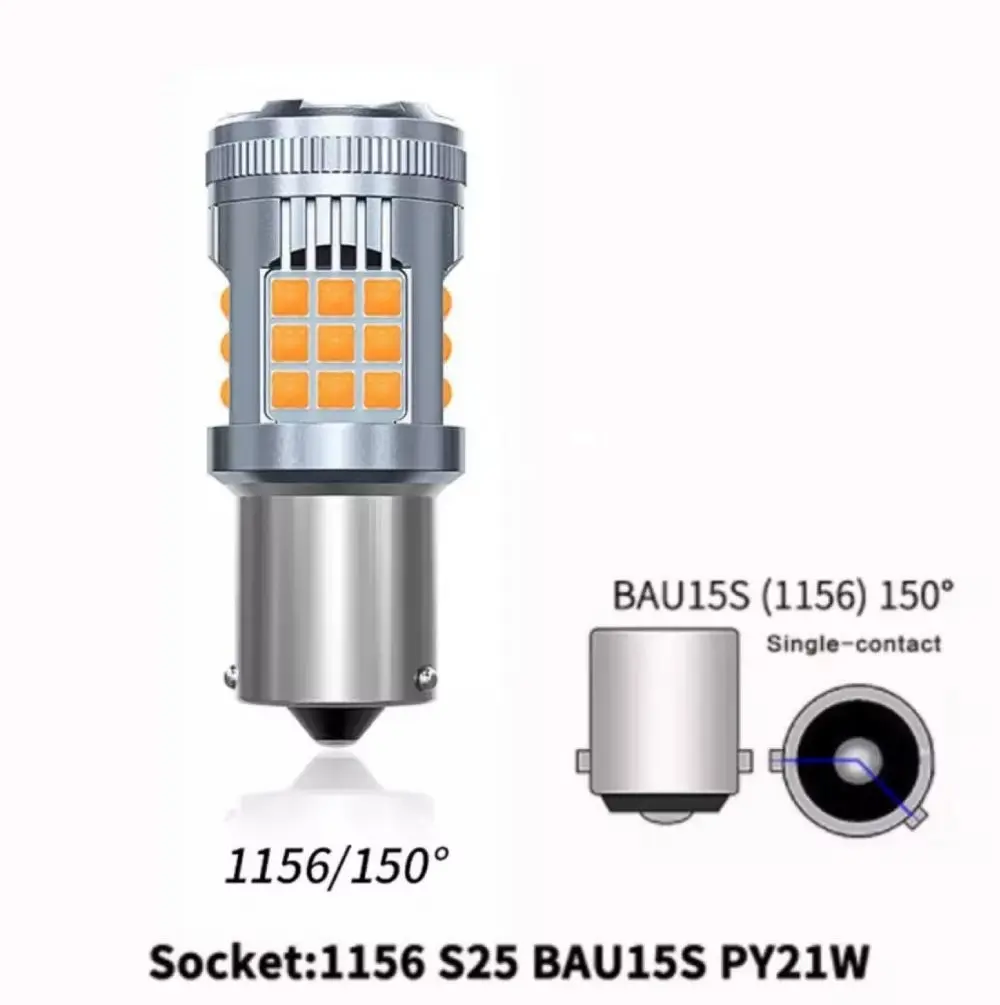
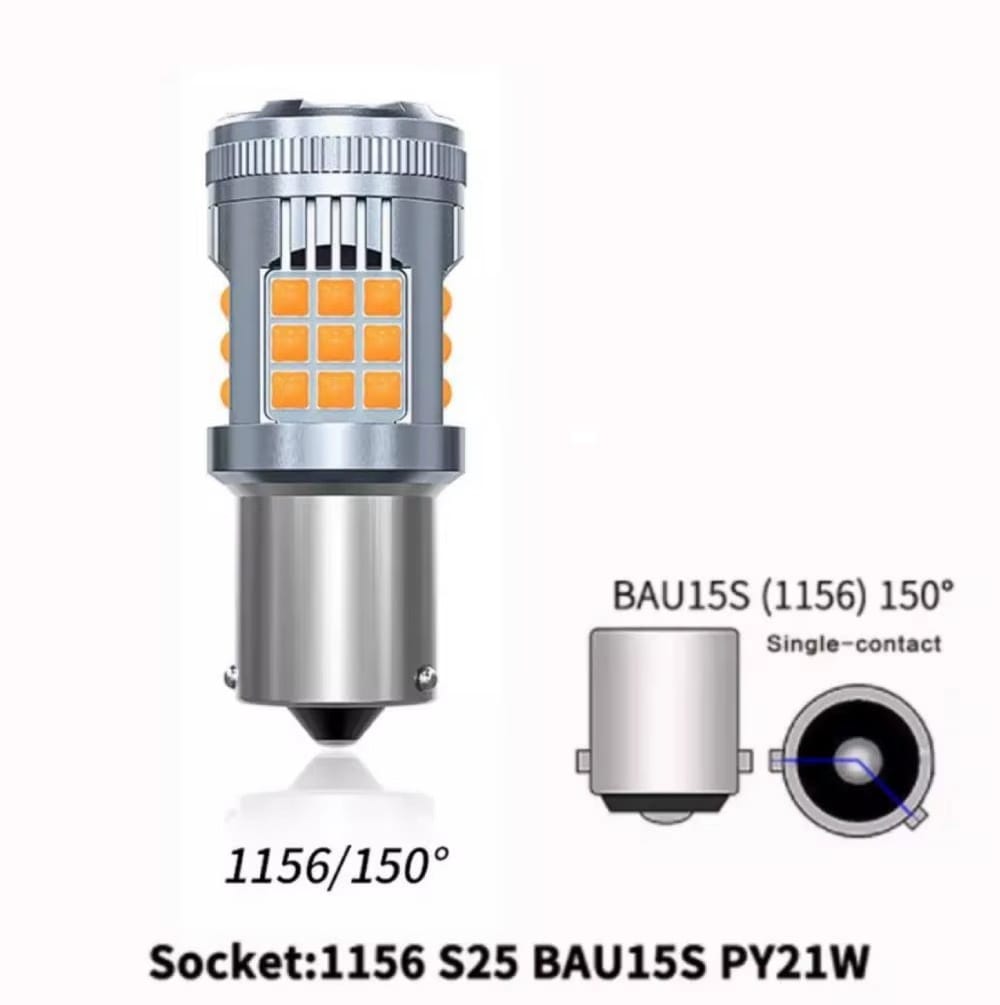
| Base Types | PY21W BAU15S (Amber) / P21W BA15S (White) |
| Color Options | Amber (Orange) / White |
| Canbus | Yes – broad vehicle compatibility, no error |
| Hyperflash | No hyperflash |
| Quantity | 1 Pair (2 bulbs) |
| Application | Turn indicators, reverse lights, DRL |
| Wire Cutting Required | No |
| Coding Required | No |
| Return Policy | Exchange Only |
| HSN Code | 8539 |
What It Is
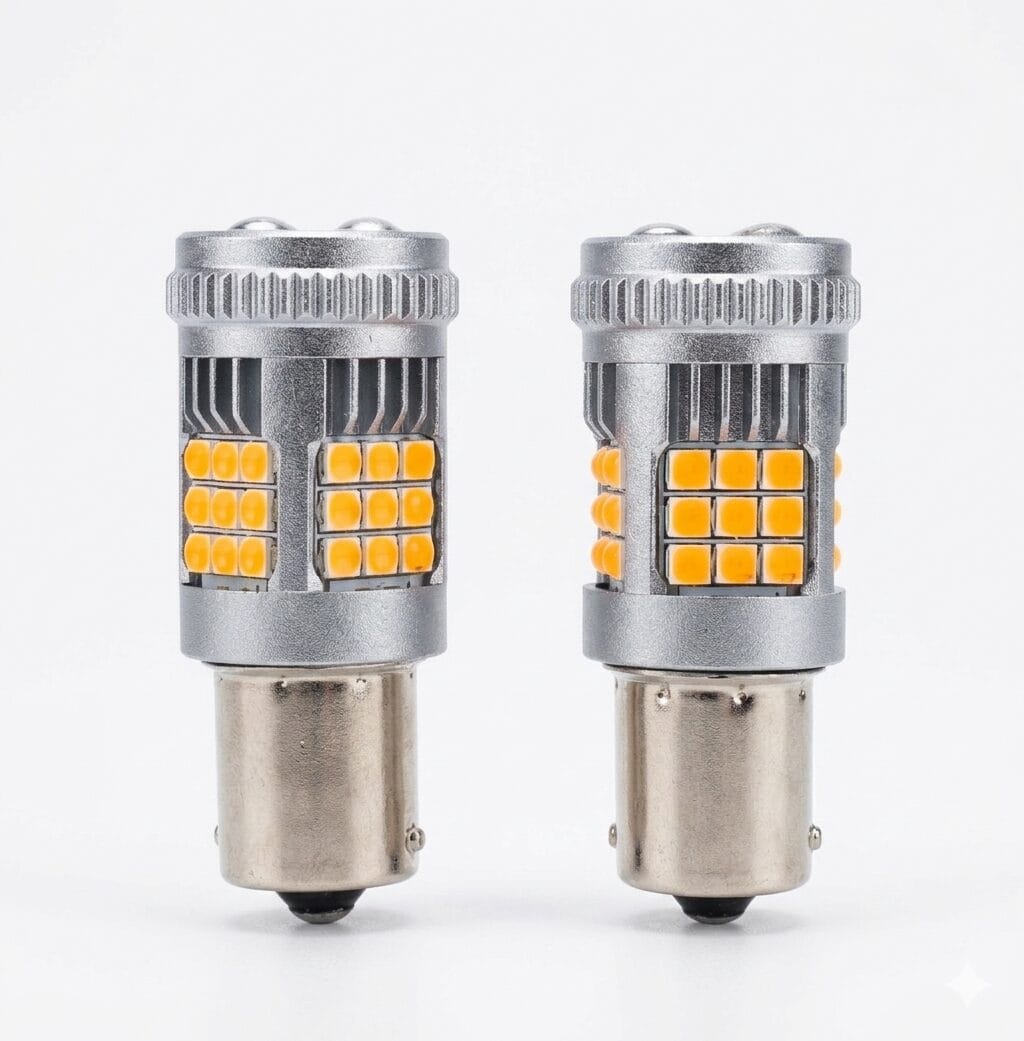
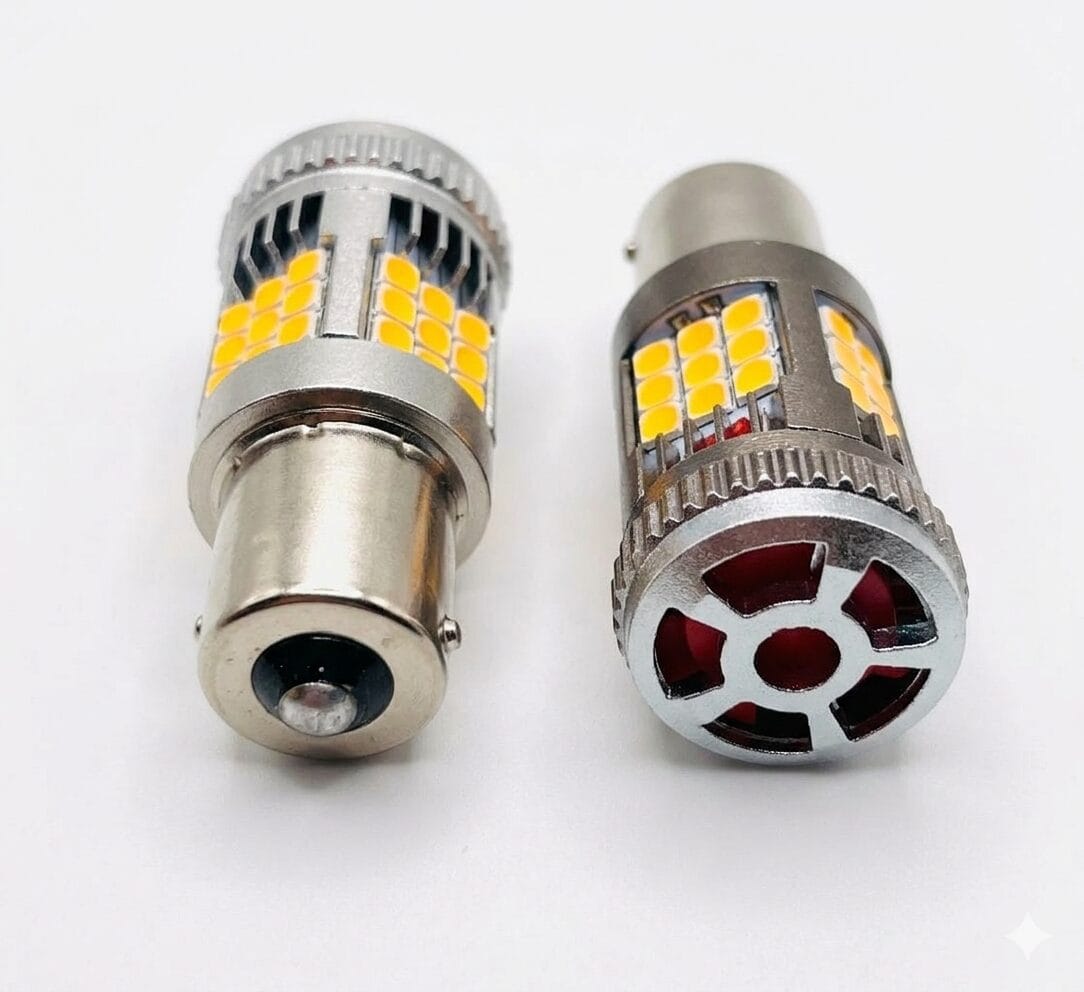
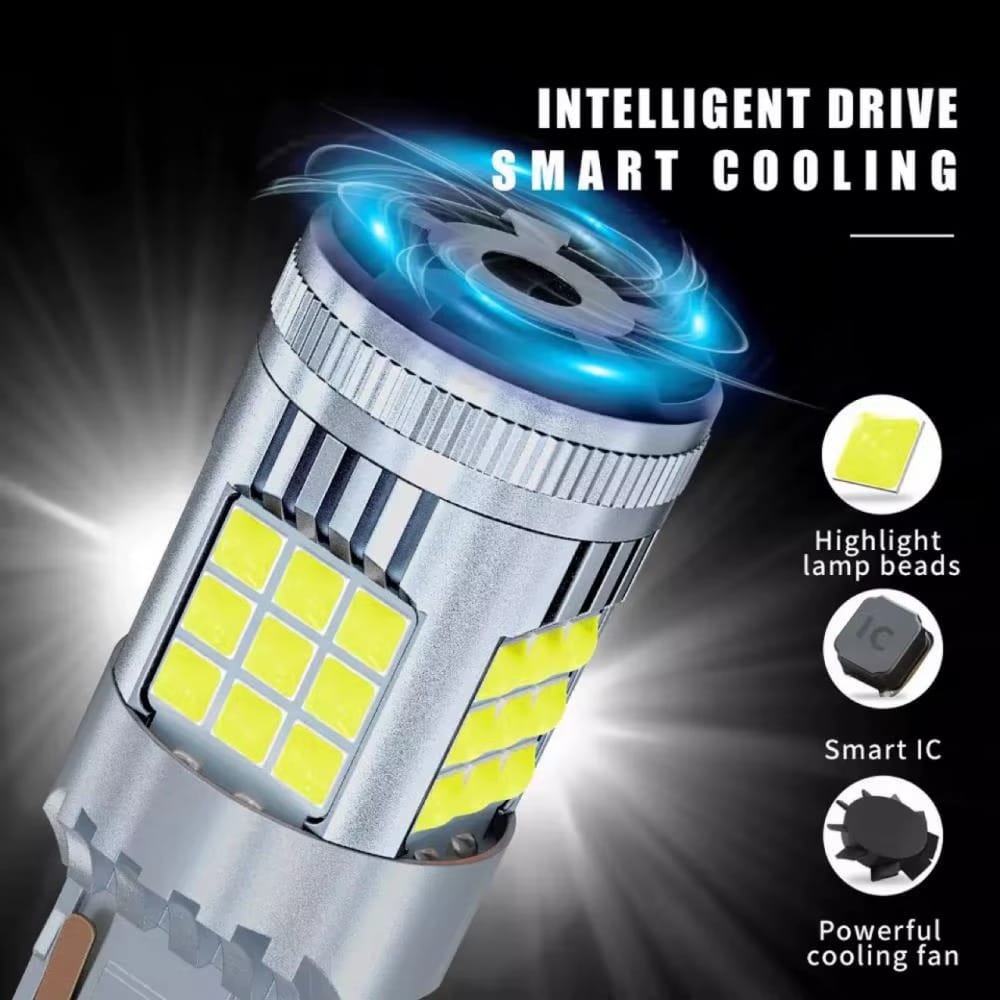
This is a 3030-chip LED signal bulb with 36 SMD chips per unit and an inbuilt active cooling fan, available in two base types: PY21W with BAU15S offset pin base in amber, and P21W with BA15S straight pin base in white. Both are sold as a pair. The 3030 chip format is a high-lumen, thermally demanding chip that produces significantly more light output than smaller 3014 or 2835 chips used in standard LED signal bulbs — and the inbuilt fan exists precisely to handle the heat that 36 of these chips generate during continuous operation.
Fan-cooled LED bulbs of this type are uncommon in the Indian aftermarket, where passive aluminium heat sinks remain the standard approach. The active cooling gives this bulb a distinct thermal advantage in applications where the bulb runs for extended periods — indicators, DRL functions, or reverse lights on vehicles that keep them illuminated for longer durations.
What Problem It Solves
High-chip-count LED bulbs generate heat. In enclosed housings with poor airflow — which describes most OEM lamp assemblies — that heat builds up and degrades the LED chips over time, causing dimming, colour shift, or early failure. Standard passive heat sink designs rely on the housing having enough ambient airflow to pull heat away from the base. In a sealed housing, that airflow often isn’t there.
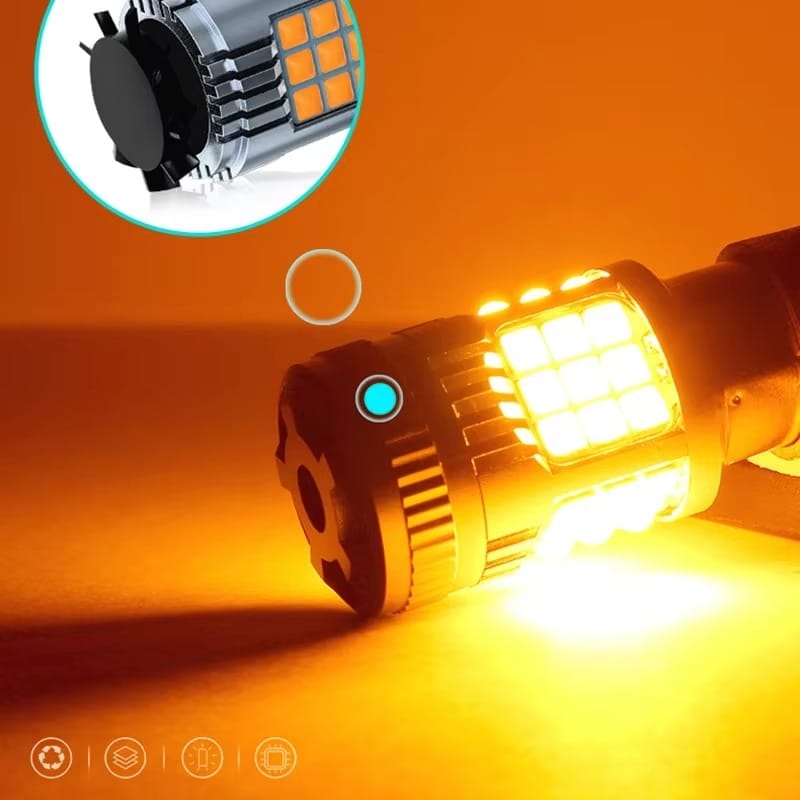
The inbuilt fan in this bulb actively moves air across the chip array and base regardless of housing type, maintaining operating temperature within a stable range even during extended use. The result is more consistent output over time and a longer service life compared to passive designs of equivalent chip count. For buyers who have experienced passive high-SMD bulbs failing early or dimming within a year, this is the specific problem being addressed.
The secondary problem this solves is hyperflash. When an LED bulb replaces a halogen in the indicator circuit, the reduced current draw is detected by the flasher relay as a blown bulb, causing the circuit to flash at double or triple speed — hyperflash. This bulb includes Canbus load resistor circuitry that prevents that detection, maintaining the standard flash rate without requiring a separate resistor module or relay change on most vehicles.
Installation Logic
Remove the existing halogen bulb from the indicator, reverse, or DRL housing by accessing the lamp from behind the housing or through the wheel arch liner as your vehicle requires. Insert the LED bulb in the same socket — the BAU15S offset pin base on the PY21W version and the BA15S straight pin base on the P21W version are direct replacements for the corresponding halogen fitments. No wiring, no cutting, and no coding is required.
The inbuilt fan is powered from the bulb socket itself and activates automatically when the circuit is live. There are no external connections, no additional wiring, and no relay changes required for the fan to operate.
Behaviour Explanation
When the indicator stalk or reverse gear is engaged, the bulb illuminates at full brightness immediately — LED chips reach full output instantly unlike halogen filaments. The Canbus circuitry communicates the correct load to the vehicle’s BCM or flasher relay, preventing error messages on the dashboard and maintaining the standard flash rate for indicator applications. The cooling fan runs whenever the bulb is receiving power, keeping chip temperature stable throughout the operating cycle.
Key Compatibility
Compatibility for both base types is broad. The PY21W BAU15S amber version fits vehicles using an offset-pin single-filament amber indicator bulb — common across European and Korean platforms including Volkswagen, Skoda, Hyundai, Kia, and various others. The P21W BA15S white version fits single-filament straight-pin applications used for reverse lights, front indicators, or DRL functions across Maruti, Tata, Mahindra, Honda, Toyota, and most other mainstream Indian market vehicles.
Before ordering, confirm which base type your vehicle uses. PY21W uses a BAU15S offset pin (the two pins are not symmetrically placed) and is not interchangeable with P21W which uses a BA15S straight-pin base (pins at equal height). If your car currently uses a 1156 bulb, that is a BA15S base — order the P21W white version. If it uses a PY21W amber indicator, order the BAU15S amber version. The two are physically different sockets and cannot be swapped.
Who Should Buy
Buyers upgrading from halogen to LED who have had earlier passive LED bulbs fail or dim within a year due to heat. Anyone installing LED indicators or reverse lights in enclosed or poorly ventilated OEM housings where passive cooling is inadequate. Users who want maximum chip count and output in a PY21W or P21W fitment without compromising on longevity. Suitable for daily drivers as well as cars in hotter climates where ambient temperatures accelerate passive thermal degradation.
Who Should Not Buy
If your vehicle uses a T20 7440 W21W, T20 7443, P21/5W BAY15D, or any other base type, this bulb does not apply — check the relevant fitment from the TecUpdater signal bulb range. If your vehicle’s indicator circuit is particularly sensitive and has rejected other Canbus bulbs in the past, contact TecUpdater via WhatsApp to confirm fitment before ordering. This is not a plug-and-play DRL-to-indicator switchback bulb — for that function the Switchback DRL range is the correct product.
Benefits
Active fan cooling extends chip life and maintains output stability in enclosed housings. 36-chip 3030 array delivers high lumen output suitable for daytime visibility. Canbus circuitry prevents hyperflash and dashboard error warnings on compatible vehicles. Direct base replacement with no additional components, wiring, or relay changes required. Available in both amber PY21W BAU15S and white P21W BA15S to cover the two most common single-filament signal bulb applications.
FAQs
This bulb pair carries a 6 month warranty, with an exchange-only return policy.
PY21W is the amber version with a BAU15S offset-pin base, where the two pins are not symmetrically placed, and is used for indicator applications. P21W is the white version with a BA15S straight-pin base, where the pins sit at equal height, and is used for reverse lights, front indicators, or DRL. The two bases are physically different sockets and are not interchangeable — if your car currently uses a 1156 bulb, that’s a BA15S base, so order the white P21W version.
This bulb packs 36 individual 3030 chips, a high-lumen but thermally demanding format that generates significantly more heat than the smaller 3014 or 2835 chips used in standard LED signal bulbs. In enclosed OEM lamp housings with poor airflow, passive aluminium heat sinks alone often can’t dissipate that heat, leading to dimming, colour shift, or early failure. The inbuilt fan actively moves air across the chip array and base to keep operating temperature stable regardless of housing type.
No. The bulb includes Canbus load resistor circuitry that communicates the correct load to the vehicle’s BCM or flasher relay, preventing the double-speed hyperflash that can occur when an LED bulb’s lower current draw is misread as a blown bulb.
It depends on which base type your vehicle uses. The amber PY21W BAU15S version fits offset-pin single-filament indicator applications common across Volkswagen, Skoda, Hyundai, Kia, and similar platforms. The white P21W BA15S version fits straight-pin applications used for reverse lights, front indicators, or DRL across Maruti, Tata, Mahindra, Honda, Toyota, and most other mainstream Indian market vehicles. Confirm your existing bulb’s base type before ordering.
No. The amber PY21W uses the offset-pin BAU15S base and is intended for indicator applications with orange output. Reverse and DRL applications need the white P21W BA15S version instead, and this is not a switchback bulb — TecUpdater’s Switchback DRL range covers that specific function.
No. It’s a direct base replacement into the existing halogen socket, with no wiring, cutting, or coding required. The cooling fan is powered from the bulb socket itself and needs no separate connection.
No, on compatible vehicles the Canbus circuitry communicates the correct load to the BCM or flasher relay, preventing error messages and maintaining the standard flash rate.
No, installation is the same as swapping any halogen bulb for a direct-fit LED — insert it into the existing socket, no tools beyond what’s needed to access the lamp housing.
No, this bulb is only available in the PY21W BAU15S offset-pin or P21W BA15S straight-pin base. T20 7440/W21W, T20 7443, and P21/5W BAY15D applications need a different bulb from TecUpdater’s signal bulb range.
One pair, meaning two bulbs of the same type — order either the amber PY21W or the white P21W version to match your application.
Also Sold As — Cross-Reference for This Fitment
The fan-cooled range covers both the white P21W and the amber PY21W. The P21W base is listed here; the amber version uses the offset-pin base instead.
| P21W / BA15s | 1156, 7506, 1141, 1073, 1003, 93, 97, 631 |
| Base | Single-contact bayonet, pins opposite at 180° |
Before you order: This will not fit a BAU15s (PY21W) socket — those pins sit at 150°. It also fits a BAY15d socket physically but powers only one of the two functions.
Browse more options in our Signal Lights (Indicators, brake lights etc.) category.
Want the background? Read more about automotive lighting.


Reviews
There are no reviews yet.